
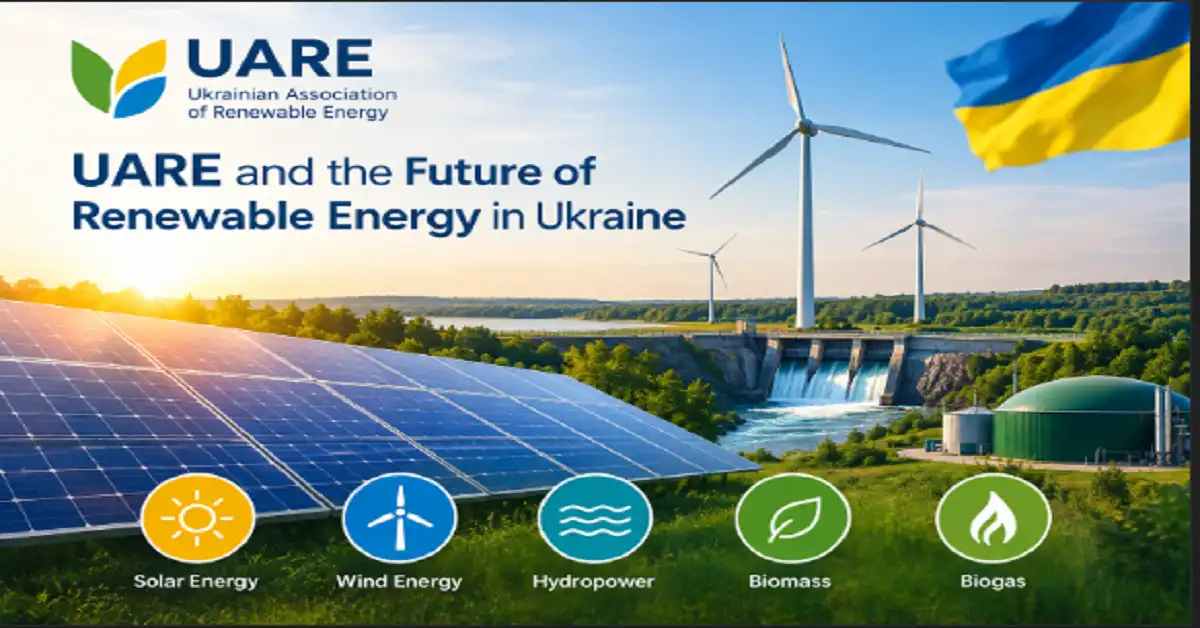
Renewable energy is becoming an increasingly important part of the global energy landscape. Solar, wind, hydro, and biomass technologies can provide alternative ways to generate electricity while supporting a more diversified energy system. In Ukraine, the Ukrainian Association of Renewable Energy (UARE) is connected with the development of the renewable energy sector and represents companies and investors working with renewable sources.
Understanding the Role of UARE
UARE focuses on renewable energy development in Ukraine and provides information about different areas of the sector. Its English-language website includes sections covering wind power, solar power, hydropower, and biomass or biogas energy.
The organization also provides information related to renewable-energy legislation, sector development, and industry trends. This makes renewable energy easier to understand for businesses, investors, professionals, and people interested in clean-energy technologies.
Solar Power as an Important Energy Source
Solar energy uses sunlight to generate useful energy, most commonly through photovoltaic systems. Solar installations can be developed at different scales, from smaller private systems to large solar power plants.
One useful feature presented by UARE is an online solar PV calculator designed to help evaluate the feasibility of installing a private solar station. This type of tool can help users think about solar generation in practical terms before making an investment decision.
Key Benefits of Solar Energy
- Uses sunlight as a renewable energy resource
- Can be installed at different scales
- Can support decentralized electricity generation
- Requires relatively little operating maintenance after installation
- Can complement other energy sources
Wind Energy and Its Growing Potential
Wind power converts the kinetic energy of moving air into electricity. It is another major area of renewable energy covered by UARE.
Wind projects can contribute to a diversified energy system because electricity generation does not depend on sunlight alone. The development of suitable wind projects requires careful planning, appropriate locations, grid connections, equipment, and long-term investment.
Hydropower in the Renewable Energy Mix
Hydropower uses energy from flowing water to generate electricity. It has been an established renewable-energy technology for many years and continues to form part of Ukraine’s broader renewable-energy landscape.
Small hydropower projects can also have a role in local energy generation. Their suitability depends on geographical conditions, water resources, environmental considerations, and technical requirements.
Biomass and Biogas Energy
Biomass and biogas provide another route for producing renewable energy. Biomass energy uses materials of biological origin, while biogas can be produced from organic materials and then used for energy generation.
These technologies can be particularly relevant in regions with agricultural and organic resources. They also demonstrate that renewable energy is not limited to solar panels and wind turbines.
Where Biomass Energy Can Be Relevant
- Agricultural areas
- Organic waste management
- Biogas production facilities
- Renewable electricity generation
- Combined energy projects
Renewable Energy and Energy Independence
A diversified renewable-energy system can reduce dependence on a single type of energy generation. Solar, wind, hydro, and biomass each have different characteristics, so combining them can create a broader energy portfolio.
UARE’s published materials and sector information show its focus on renewable-energy development and the regulatory environment surrounding the sector. The association has also highlighted the importance of continued investment and development of green energy in Ukraine.
The Importance of Regulation and Investment
Renewable-energy projects require more than technology. Regulations, electricity-market conditions, financing, grid access, and long-term investment all influence whether projects can be successfully developed.
UARE maintains a legislation section covering Ukrainian laws, secondary legislation, and regulations related to renewable energy and green tariffs.
For investors and energy companies, understanding these factors is important because renewable-energy projects normally require long-term planning and substantial infrastructure.
Building a More Diverse Energy Future
The future of renewable energy depends on continued technological development, investment, appropriate regulation, and practical implementation. Solar and wind can provide electricity from naturally available resources, while hydro and biomass can add further diversity to the energy mix.
UARE’s work and information resources provide a useful view of several renewable-energy sectors operating within Ukraine. Its current website continues to cover renewable-energy technologies, sector legislation, industry development, and related news.
Conclusion
Renewable energy has an important place in the development of modern energy systems. Solar, wind, hydro, biomass, and biogas each offer different possibilities for electricity generation and energy diversification. In Ukraine, UARE provides information and represents participants connected with the renewable-energy sector. Its focus on renewable technologies, legislation, investment, and sector development makes it a relevant organization for understanding the country’s renewable-energy landscape.