
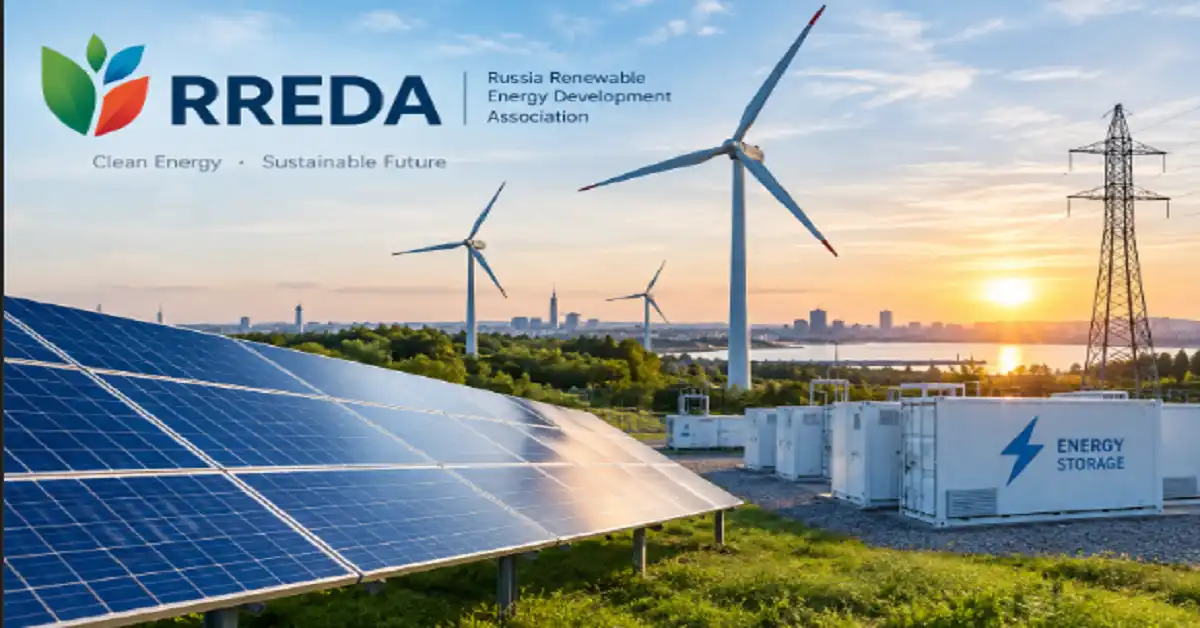
Renewable energy is becoming an important part of the modern energy sector, with solar, wind, hydropower, energy storage, and other technologies offering new ways to produce and manage electricity. In Russia, RREDA plays an important role in supporting the development of renewable and low-carbon energy by bringing together companies, investors, equipment manufacturers, research organizations, and other industry participants.
What Is RREDA?
RREDA stands for the Russia Renewable Energy Development Association. It is a non-profit organization focused on the development of renewable energy and low-carbon hydrogen in Russia. The association works with different participants in the energy sector and supports technological development, industry cooperation, research, and the wider adoption of renewable energy technologies.
RREDA also provides industry analytics and information about the renewable energy market. Its English website includes market reports covering renewable energy development, investment projects, regulatory changes, and the development of solar and wind generation in Russia.
Solar Energy in Russia
Solar power is one of the major areas within Russia’s renewable energy sector. Solar power plants can generate electricity from sunlight and can be developed in different regions according to local conditions and energy requirements.
RREDA regularly follows developments in the solar-energy sector and includes solar generation in its market reports and regional renewable-energy assessments. Its 2026 regional rating includes a specific Solar Energy Leader category based on actual and planned installed solar-generation capacity.
Wind Energy and Renewable Power
Wind energy is another important part of the renewable-energy market. Wind farms can provide electricity in regions where suitable wind resources are available, creating opportunities for additional renewable generation.
RREDA’s industry reports cover both solar and wind power and examine their development within Russia’s electricity system. The association also publishes information about investment projects and the development of renewable-generation capacity.
The Importance of Energy Storage
Energy storage can help renewable-energy systems deal with differences between electricity production and demand. Solar and wind generation can change according to weather and time of day, while electricity consumption can follow a different pattern.
RREDA’s recent renewable-energy market report discusses battery energy storage systems and their potential applications, including balancing renewable generation, peak-load compensation, reservation, and ancillary services.
Research, Analytics, and Industry Information
Reliable information is important for the development of any energy sector. RREDA publishes annual, quarterly, and thematic reports that provide information about renewable-energy capacity, generation, regional development, investment activity, and market trends.
These reports can be useful for people and organizations interested in understanding the renewable-energy market. They also provide a way to follow changes in solar, wind, hydrogen, and other areas of the energy transition.
Regional Renewable Energy Development
Renewable energy development can vary significantly from one region to another. Local resources, electricity demand, infrastructure, investment conditions, and government support can all influence the development of renewable-energy projects.
RREDA conducts an annual assessment of the investment climate of Russian regions in renewable energy. Its regional ratings include categories covering solar energy, wind energy, small hydropower, bioenergy, geothermal energy, distributed energy, and other areas.
The Future of Renewable Energy
The future of renewable energy depends on continued technological development, investment, infrastructure, energy-storage solutions, and effective integration with existing power systems. Solar and wind technologies can contribute additional electricity generation, while battery storage can help improve flexibility where required.
RREDA’s work focuses on supporting the development of renewable and low-carbon energy through industry cooperation, analytics, technological development, education, and international cooperation.
Conclusion
RREDA is closely connected with the development of Russia’s renewable-energy sector. Through industry research, market reports, regional assessments, cooperation, and support for technological development, the association provides information and coordination for participants in the renewable-energy industry. Solar power, wind energy, energy storage, and other renewable technologies remain important areas within this evolving sector.