
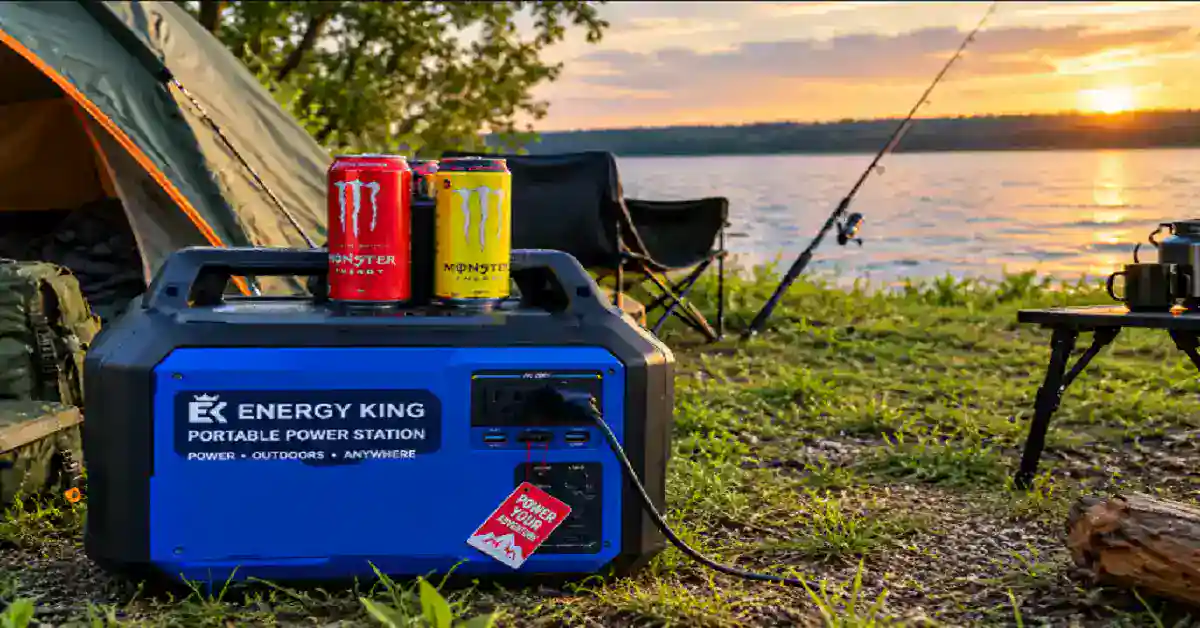
Camping gives people a chance to leave behind busy city life and enjoy nature, fresh air, and peaceful surroundings. However, modern camping often still requires a reliable source of electricity. From charging smartphones and cameras to powering lights, small appliances, and other essential equipment, having dependable power can make an outdoor trip much more comfortable.
This is where a portable generator can become a valuable part of your camping equipment. Choosing the right generator depends on your power requirements, campsite conditions, portability needs, and expected operating time. For campers looking for practical power solutions, energy-king.ru can be a useful starting point for exploring generator options suitable for outdoor activities.
Why Portable Power Matters During Camping
Traditional camping may involve very little electrical equipment, but modern outdoor trips are different. Many campers carry phones, GPS devices, cameras, portable refrigerators, lighting systems, and other electronic equipment.
A portable generator provides an independent electricity source when there is no convenient access to the electrical grid. It can be especially useful at remote campsites where solar charging alone may not provide enough power during cloudy weather or at night.
Power for Essential Devices
A generator can support several common camping needs, including:
- Charging smartphones and tablets
- Running LED camping lights
- Powering small refrigerators
- Charging cameras and batteries
- Operating selected cooking equipment
- Supporting communication devices
Before purchasing a generator, campers should calculate the combined wattage of the equipment they expect to use.
Choosing the Right Generator for Camping
Not every generator is equally suitable for outdoor use. Camping equipment should be relatively easy to transport and simple to operate. Size, weight, fuel consumption, noise, and power output are all important considerations.
A smaller generator may be sufficient for basic lighting and electronics, while larger equipment may be necessary for refrigerators, cooking appliances, or several devices operating simultaneously.
Consider Your Power Requirements
Start by making a list of the equipment you plan to use. Check the running wattage and starting wattage of appliances with motors, such as refrigerators. The generator should have enough capacity to handle the highest expected demand without being continuously overloaded.
It is also useful to leave some additional capacity rather than selecting a generator that operates at its maximum output all the time.
Portability Is Important
Camping often involves carrying equipment from a vehicle to a campsite. A generator that is unnecessarily large or heavy can make the trip more difficult.
Compact portable models are generally easier to transport, especially for short camping trips, fishing excursions, and outdoor activities. Handles, wheels, and a practical design can also make transportation easier.
When comparing different models, campers should consider not only electrical output but also how easily the unit can be moved and stored.
Noise Levels and the Camping Experience
Noise is another important factor when selecting a generator for outdoor use. A loud machine can disturb the peaceful atmosphere of a campsite and may also affect nearby campers.
For this reason, campers should pay attention to the manufacturer’s stated noise level before making a purchase. Quieter models can be more appropriate for recreational environments where maintaining a calm atmosphere is important.
Fuel Efficiency
Fuel consumption can influence both operating costs and convenience. A generator with efficient fuel usage may provide longer operation between refueling periods.
The actual runtime depends on the generator, fuel tank size, electrical load, and operating conditions. Running only essential equipment when necessary can also reduce fuel consumption during a camping trip.
Safe Generator Use at a Campsite
Generators should always be operated according to the manufacturer’s instructions. Most importantly, fuel-powered generators must never be operated inside tents, vehicles, cabins, or other enclosed spaces because they can produce dangerous carbon monoxide.
The generator should be positioned outdoors in a properly ventilated location and kept away from sleeping areas, doors, windows, and other openings. Fuel should also be stored and handled carefully.
Plan Before Your Trip
Good preparation can prevent many power-related problems during camping. Before leaving home, inspect the generator, check fuel or battery levels, examine cables and connections, and make sure the equipment is suitable for the expected electrical load.
It is also helpful to carry basic backup lighting and charging options rather than depending entirely on one power source.
Generator or Solar Power for Camping?
Solar generators and portable fuel-powered generators each have advantages. Solar systems can operate quietly and do not require fuel during use, but their performance depends on available sunlight and battery capacity.
Fuel-powered generators can provide consistent electricity for longer periods when properly fueled. The better option depends on the campsite, weather conditions, duration of the trip, and equipment being powered.
Some campers may even choose to combine different power sources to create a more flexible outdoor energy setup.
Making Camping More Comfortable With Reliable Power
A portable generator is not something every camper needs, but it can be extremely useful when electricity is important for comfort, communication, food storage, or essential equipment.
The best approach is to determine your actual power requirements first and then compare generators based on output, portability, noise, fuel efficiency, runtime, and safety features. Resources such as energy-king.ru can help campers explore generator-related solutions before choosing equipment for their next outdoor adventure.
With the right preparation and responsible operation, portable power can make camping more convenient without taking away from the experience of spending time outdoors.