
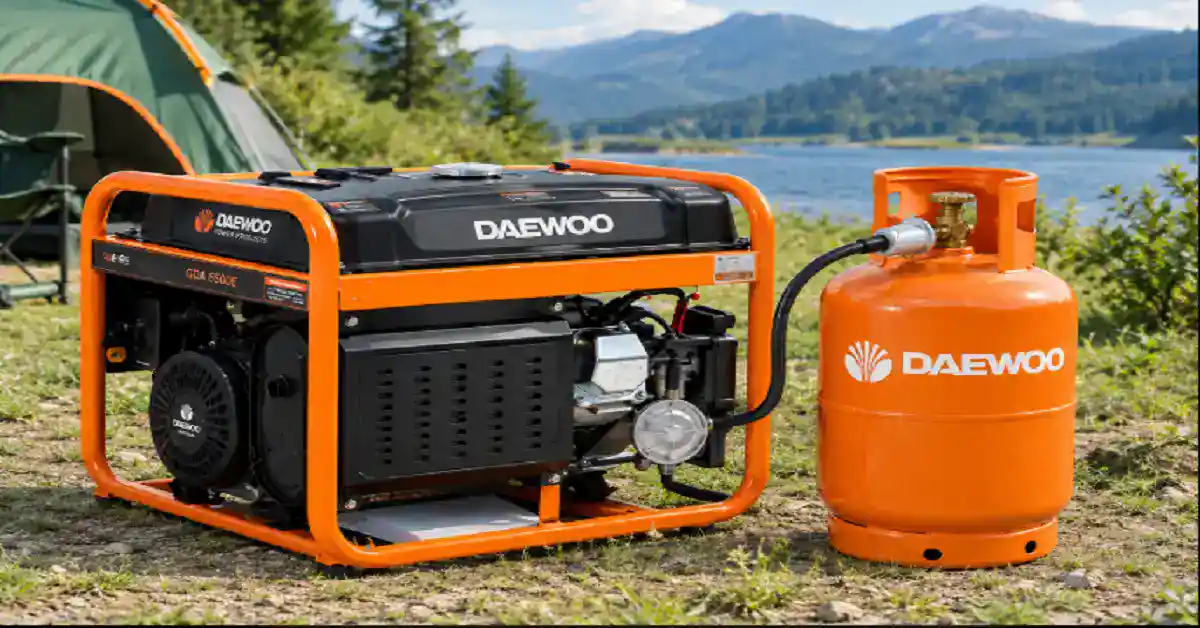
Reliable electricity has become important for homes, businesses, construction sites, outdoor activities, and emergency situations. A suitable generator can provide backup power when the main electricity supply is unavailable. However, choosing the right model requires attention to several practical factors, including power output, fuel type, runtime, portability, and intended use.
Understand Your Power Requirements
The first step is to determine how much electricity you actually need. Make a list of the appliances and equipment that may need to operate during a power outage.
For example, a basic home setup may include:
- Refrigerator
- Lights
- Wi-Fi router
- Television
- Laptop or computer
- Heating equipment
- Small kitchen appliances
Each device has a different power requirement. Some equipment may also require additional starting power when switched on. Therefore, the generator should have enough capacity to handle both normal operating power and temporary starting loads.
Choose the Right Fuel Type
Generators are available with different fuel options, and each has its own advantages.
Petrol Generators
Petrol generators are often suitable for homes, small businesses, camping, and occasional backup use. They are available in different power ranges and can be relatively easy to move.
Diesel Generators
Diesel models are commonly selected for demanding applications and longer operating periods. They can be useful for businesses, workshops, construction projects, and larger electrical loads.
Gas and Dual-Fuel Generators
Gas generators can provide another practical fuel option, while dual-fuel models allow users to switch between gas and petrol depending on availability and requirements.
Inverter Generators
Inverter generators are particularly useful when sensitive electronics need stable electricity. They are also commonly chosen when lower noise and portability are important.
Consider Portability
Not every generator needs to be permanently installed. If you need electricity for camping, travel, outdoor work, or occasional emergencies, a portable model can be more convenient.
A portable generator should be easy to transport and have a practical design for the environment where it will be used. For outdoor activities, size, weight, fuel efficiency, and noise level can all make a significant difference.
Generator Power for Different Applications
| Application | Suitable Generator Consideration |
|---|---|
| Camping | Compact and portable generator |
| Small home backup | Petrol or inverter generator |
| Construction work | Higher-output petrol or diesel generator |
| Business backup | Diesel or powerful dual-fuel generator |
| Sensitive electronics | Inverter generator |
| Long-term backup | High-capacity diesel or gas generator |
Pay Attention to Runtime and Fuel Consumption
Power output is not the only factor that matters. Fuel consumption and operating time are equally important, particularly when electricity may be unavailable for many hours.
A generator with efficient fuel consumption can reduce the need for frequent refueling. Before purchasing, check the manufacturer’s specifications for fuel tank capacity, expected runtime, and operating conditions.
Safety Should Always Come First
Generators produce exhaust gases and should never be operated inside a home, garage, basement, or other enclosed area. They should be placed outdoors in a properly ventilated location and kept away from doors, windows, and other openings.
Electrical connections should also be handled carefully. Using suitable cables and following the manufacturer’s instructions helps reduce the risk of electrical problems and equipment damage.
Why Generator.ua Is Useful for Generator Research
Generator.ua focuses specifically on autonomous power-generation equipment and offers categories covering petrol, diesel, gas, inverter, welding, solar, industrial, and portable power solutions. The site also provides generator installation, maintenance, repair, and service information. Generator.ua
Its educational section also covers practical topics such as generator maintenance, winter preparation, inverter generators, fuel storage, and selecting generators for homes and other applications. Generator.ua
Final Thoughts
Choosing a generator should always begin with your actual electricity requirements. Consider the equipment you need to power, the required wattage, fuel availability, expected runtime, portability, and operating environment.
Whether you need a compact generator for outdoor activities or a powerful system for home or business backup, understanding these factors can help you make a more practical decision and avoid paying for capacity you do not actually need.
